Professional Catering Equipment
Fixed furniture plays a decisive role in shaping the identity, functionality, and long-term efficiency of any professional hospitality or commercial space. From restaurants and cafés to hotels, bakeries, and retail stores, fixed furniture is not simply a design choice—it is a strategic investment that directly impacts workflow, durability, and customer experience. Drawing inspiration from the solutions presented by Drakoulakis, fixed furniture combines craftsmanship, ergonomics, and tailor-made construction to meet the demanding needs of modern businesses.
Unlike loose or modular furnishings, fixed furniture is designed to become an integral part of the space. Built-in counters, bars, wall units, shelving systems, and service stations are custom-fitted to the dimensions and operational requirements of each establishment. This approach maximizes the use of available space, ensuring smooth circulation for staff and customers alike. In high-traffic environments, such as food service and hospitality, fixed furniture provides stability and consistency, eliminating the frequent repositioning or wear associated with movable elements.
One of the key advantages of fixed furniture is durability. Manufactured using high-quality materials such as stainless steel, solid wood, engineered surfaces, and food-safe finishes, fixed installations are built to withstand intensive daily use. In professional kitchens, bakeries, and service areas, hygiene and ease of cleaning are critical. Fixed furniture is designed with seamless joints, smooth surfaces, and smart detailing that supports strict hygiene standards while maintaining a refined aesthetic.
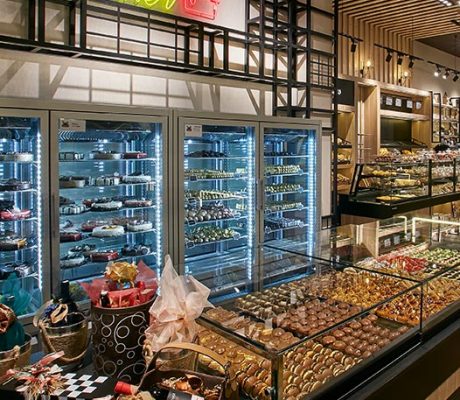
From a design perspective, fixed furniture allows for complete customization. Every project can reflect the brand identity and concept of the business, whether minimal, industrial, classic, or contemporary. Custom bars, display counters, and service stations become visual focal points that elevate the overall atmosphere of the venue. This is especially important in customer-facing areas, where furniture contributes directly to first impressions and brand recognition.
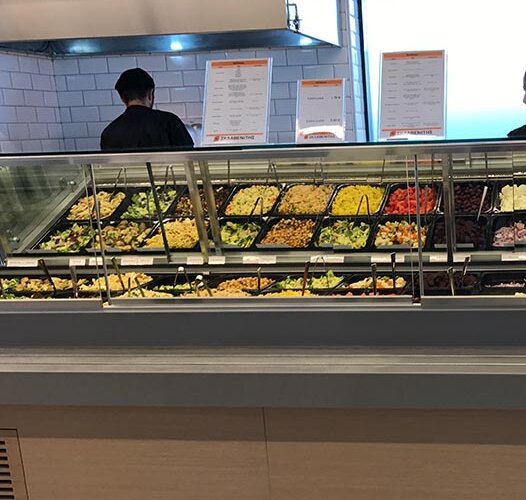
Functionality is another cornerstone of high-quality fixed furniture. Well-designed installations support staff efficiency by integrating storage, equipment placement, and workflow logic into a single cohesive structure. In restaurants and cafés, for example, a fixed bar or counter can house refrigeration units, display cases, shelving, and work surfaces in one optimized layout. This reduces unnecessary movement, improves service speed, and enhances operational consistency.
In the hospitality sector, fixed furniture is equally essential. Hotel reception desks, breakfast stations, buffet counters, and room installations must balance aesthetics with practicality. Fixed furniture ensures uniformity across spaces while offering long-term reliability and ease of maintenance. When thoughtfully designed, it also contributes to guest comfort and a sense of quality that distinguishes premium establishments from standard offerings.
Sustainability and longevity are increasingly important factors in commercial design. Investing in fixed furniture means fewer replacements over time, reduced waste, and better resource management. When combined with expert design and manufacturing, fixed furniture becomes a cost-effective solution that delivers value throughout the lifecycle of the business.
In conclusion, fixed furniture is far more than a structural element—it is a foundation for efficiency, durability, and brand expression. By choosing custom-made, professionally designed fixed furniture solutions, businesses ensure that their spaces are not only visually compelling but also built to perform. For any enterprise seeking long-term success, fixed furniture remains a smart, strategic, and future-proof investment.